The Complete Guide to Kenyan Vernacular Radio Stations in 2026

A comprehensive overview of Kenya's vernacular radio landscape in 2026, covering the history of local-language broadcasting, the major media houses that dominate the market, and a detailed breakdown of stations serving communities from the Kikuyu and Luo to the Maasai and coastal Mijikenda. It also examines why vernacular radio remains deeply relevant in the digital age, who the audiences are, how to tune in across FM and online platforms, the controversies the industry has faced, and where it is all headed in the years to come.
A Brief History: How Vernacular Radio Took Over Kenya
Kenyas earliest radio broadcasts date to the colonial era. The Kenya Broadcasting Corporation, which was established in the 1950s was one of the first to air programs in languages like Kiswahili, Dholuo, Kikuyu and Kalenjin. However for years vernacular broadcasting was limited to a few government-controlled channels that did not reach very far.
Everything changed around the year 2000. The government allowed private operators to enter the market. This opened the door for new radio stations to be established. Kameme FM, which was launched in 2000 was Kenyas privately owned vernacular radio station and it broadcast in Kikuyu. This was a risk but it paid off. Within a years Kameme had attracted millions of listeners and proved that broadcasting in local languages was not only possible but also very profitable.
Royal Media Services, which was founded by S.K. Macharia saw the opportunity. Moved quickly. The company launched a network of stations that targeted different communities. According to Julian Macharia, who helped build these stations they were setting up many as three new stations per year. By the time they were done Royal Media had established the vernacular radio network in East Africa.
Other media houses followed suit. The Kenya Broadcasting Corporation expanded its offerings and Mediamax built its own stable of stations. Independent operators launched community and regional stations. By the 2010s Kenyas vernacular radio scene was one of the vibrant and competitive in Africa.
A Quick-Reference Table of Major Vernacular Stations
| Station | Language | Owner | Region |
|---|---|---|---|
| Inooro FM | Kikuyu | Royal Media Services | Central Kenya / Nationwide |
| Kameme FM | Kikuyu | Mediamax | Central Kenya / Nationwide |
| Coro FM | Kikuyu | KBC | Central Kenya |
| Gukena FM | Kikuyu | Mediamax | Central Kenya |
| Ramogi FM | Dholuo | Royal Media Services | Nyanza / Lake Region |
| Chamgei FM | Kalenjin | Royal Media Services | Rift Valley |
| Kass FM | Kalenjin | Independent | Rift Valley |
| Emoo FM | Kalenjin (Nandi) | Mediamax | Rift Valley |
| Musyi FM | Kamba | Royal Media Services | Lower Eastern |
| Mbaitu FM | Kamba | Independent | Lower Eastern |
| Egesa FM | Ekegusii | Royal Media Services | South Nyanza |
| Mulembe FM | Luhya | Royal Media Services | Western Kenya |
| Sulwe FM | Bukusu/Teso | Royal Media Services | Western Kenya |
| Vuuka FM | Maragoli | Royal Media Services | Western Kenya |
| Muuga FM | Meru | Royal Media Services | Eastern / Mt Kenya |
| Meru FM | Meru | Mediamax | Eastern / Mt Kenya |
| Wimwaro FM | Embu | Royal Media Services | Eastern / Mt Kenya |
| Mayian FM | Maa (Maasai) | Mediamax | Rift Valley / Southern |
| Bahari FM | Coastal Kiswahili | Royal Media Services | Coast |
| Pwani FM | Coastal Kiswahili | KBC | Coast |
Why Vernacular Radio Still Matters in 2026
You might wonder why people still listen to FM radio in a language when they have smartphones and can access the internet. The answer lies in Kenyas fabric.
First radio reaches every adult in Kenya. According to surveys about 98% of the population has access to a radio. Radio does not require internet connectivity or expensive data bundles. It can even be powered by batteries in rural homes. For Kenyans, especially older listeners and those in remote areas radio is the primary source of information.
Second language is important. Research has shown that people engage deeply with content that is delivered in their first language. As Nelson Mandela once said, speaking to someone in a language they understand reaches the head. Speaking in their own language reaches the heart. Vernacular radio stations understand this. They do not just translate national news into local languages. They also discuss issues that national media overlooks and they foster a sense of community that English and Kiswahili stations cannot replicate.
Third vernacular stations are institutions. They. Promote local music oral traditions, proverbs and storytelling. For Kenyans who are growing up in urban areas where English and Sheng dominate daily conversation tuning into a vernacular station can be a way of staying connected to their roots.
Finally these stations have political influence. During election seasons vernacular radio is often the battleground for political messaging. Politicians buy airtime appear on talk shows and court presenters who have followings. This power has occasionally been controversial. It underscores just how central these stations are to public life in Kenya.
The Big Three: Media Companies Dominating Vernacular Radio
Three media conglomerates control the lions share of Kenyas radio market. Understanding who they are helps explain the dynamics of the industry.
Royal Media Services is the player in the market. The company operates 13 radio stations, including its flagship Radio Citizen, which broadcasts in Kiswahili nationally and a constellation of stations that reach virtually every major linguistic community in the country. Royal Media Services is particularly powerful because of its reach. No other single media house in Kenya covers as linguistic communities through dedicated radio stations.
Mediamax Network is another player in the market. The company owns some of the recognizable names in Kenyan radio, including Kameme FM, which was the pioneering Kikuyu station that started it all. Mediamax also operates Milele FM, Meru FM Mayian FM, Emoo FM and Pilipili FM along with K24 TV and Kameme TV.
The Kenya Broadcasting Corporation is the state-owned broadcaster that has been part of Kenyas broadcasting landscape since the 1950s. While it is best known for KBC Radio Taifa and KBC English Service it also runs vernacular stations, including Coro FM, which is its Kikuyu service and Pwani FM which serves the coast region.
Vernacular Stations by Language and Region
Here is a breakdown of the vernacular radio stations in Kenya organized by the language communities they serve.
Kikuyu Radio Stations
Kikuyu radio stations are the numerous and they serve the largest ethnic group in Kenya. The market leaders are Inooro FM and Kameme FM. Inooro, which is owned by Royal Media Services describes itself as Kenyas vernacular station by audience measurement and plays predominantly Kikuyu music. Kameme FM, which is owned by Mediamax holds the distinction of being Kenyas private vernacular station having launched in 2000.
Luo (Dholuo) Radio Stations
Luo radio stations are also popular and Ramogi FM, which's part of the Royal Media Services stable is the dominant Luo-language station. The station was launched in 2003. Has built a devoted following across the Lake Victoria basin and beyond.
Kalenjin Radio Station
Kalenjin radio stations serve the Kalenjin community in the Rift Valley and Chamgei FM which is owned by Royal Media Services is the communitys RMS affiliate. Kass FM is an operated Kalenjin station that has built a strong reputation though it has also faced controversy.
Kamba Radio Stations
Kamba radio stations serve the Kamba community in Lower Eastern Kenya and Musyi FM which is operated by Royal Media Services is the leading Kamba-language station. Mbaitu FM is another Kamba station and a close competitor.
Kisii (Ekegusii) Radio Stations
Kisii radio stations serve the Kisii community in South Nyanza and Egesa FM which's another Royal Media Services station is the primary station for the community. Minto FM is also popular in the region.
Luhya Radio Stations
Luhya radio stations serve the Luhya community, in Western Kenya and Mulembe FM which is owned by Royal Media Services is the leading Luhya-language station. The station was launched in 2006. Has built a devoted following across the region.
The Luhya community in Western Kenya has different languages, with many sub-groups speaking related but distinct dialects. This is also true for the radio landscape. Mulembe FM serves the broader Luhya audience. Sulwe FM targets Bukusu and Teso speakers. Vuuka FM caters to the Maragoli sub-community. West FM and Ingo FM are also present in the region. However according to GeoPoll data the vernacular stations in this region tend to rank than national Kiswahili stations. This shows the nature of the audience.
Meru Radio Stations
Muuga FM was launched in 2005. Serves the Meru-speaking community around Mount Kenyas eastern slopes. Meru FM also competes in this market. Both stations focus heavily on content, agriculture and community affairs. They make sure to include things that're important to the people in that area.
Embu Radio Stations
Wimwaro FM serves the Embu-speaking community in the Mount Kenya region. The programming tends to focus on governance, farming and cultural content relevant to Embu and Mbeere communities. This is what the people in that area want to hear.
Maasai Radio Stations
Mayian FM broadcasts in the Maa language. Targets the Maasai community across the Rift Valley and parts of Southern Kenya. It is one of the stations dedicated to a pastoralist community. The programming reflects the concerns of Maasai life from livestock markets to land issues and cultural traditions. Mayian FM is very important to the Maasai community.
Coastal and Mijikenda Stations
The Kenya coast has its distinct vernacular radio ecosystem. Bahari FM broadcasts in the Kiswahili dialect and serves communities from Mombasa to Lamu. Kaya FM and Msenangu FM serve Mijikenda speakers. According to GeoPoll data these two stations led the market in the Coast region. Pwani FM has also been a presence along the coast. Sauti ya Pwani is another station. These stations are very popular in the region.
Somali and Other Stations
Star FM serves the Somali-speaking community. Iftiin FM also broadcasts in Somali. Radio Salaam and Radio Rahma serve communities with a mix of religious and general programming. These stations are particularly important in the north-eastern parts of Kenya. They provide a service that's not available elsewhere.
The Audience: Who Is Listening?
Kenyan vernacular radio draws an loyal demographic. Research from GeoPoll and other audience measurement firms consistently shows that vernacular stations perform strongest among listeners aged 35 and older. They command 38% of the radio market share. Younger Kenyans between 15 and 24 tend to favour English-language stations. Kiswahili stations dominate across all age groups at 43% of total listenership. The people who listen to radio are very loyal to their stations.
Gender also plays a role. Men tend to gravitate towards analysis and sports commentary on vernacular stations. Women engage more with programmes about health, relationships and personal development. Both genders tune in heavily during morning and evening drive-time slots. This is when talk shows and news programmes dominate the schedule.
Geographically vernacular stations are most dominant outside Nairobi. In Central Kenya the Kalenjin-speaking Rift Valley, the Luo-speaking Lake region and Kamba-speaking Lower Eastern vernacular stations routinely top the ratings. In Nairobi itself vernacular stations rank lower. However Kameme FM has consistently broken into the citys ten. The people in these areas love their radio stations.
How to Listen: FM, Online and Apps
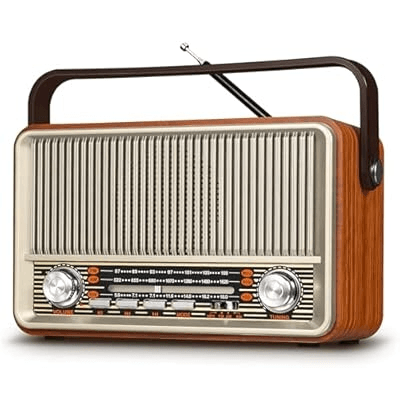
The way to tune into a vernacular station is through an FM radio set. For Kenyans in rural areas this remains the primary method. Every station listed in this guide broadcasts on FM frequencies across its target region. They often use transmitters to extend coverage.
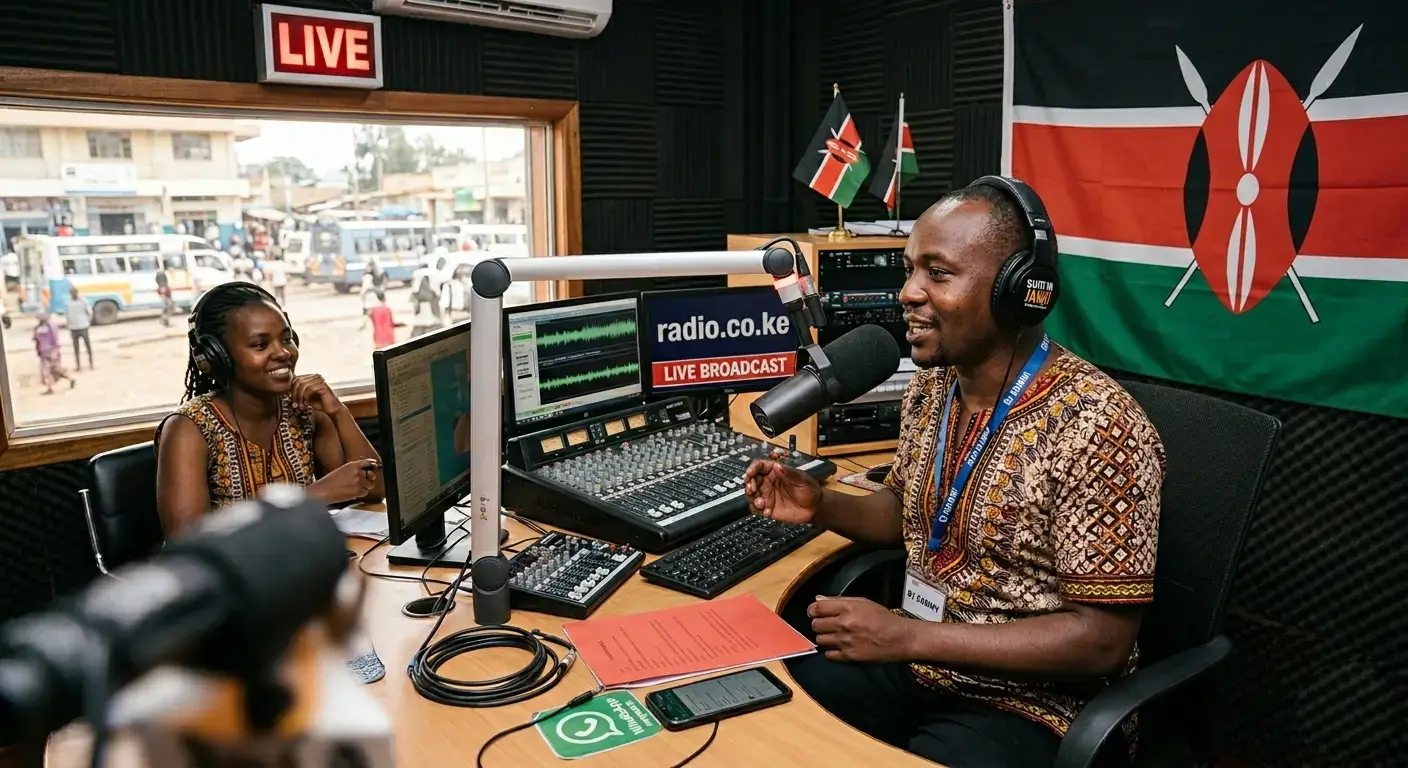
The digital shift is well underway. Most major vernacular stations now stream live on their websites and through aggregator platforms. Mobile apps have also become hugely popular (Radio.co.ke mobile apps coming soon). Websites like Radio.co.ke aggregate over 100 stations, including all the major vernacular brands. They allow users to listen from in the world. This has been a game-changer for the diaspora. They can now stay connected to programming in their mother tongue from London, Dallas or Dubai.
Social media has added another layer. Many stations run Facebook, X (formerly Twitter) and WhatsApp channels. Listeners interact with presenters, share opinions on talk-show topics and catch highlights they may have missed on air. The people who listen to radio are very active on social media.
Controversies and Challenges
Vernacular radio in Kenya has not been without controversy. The most significant came during. After the disputed 2007 general elections. Some vernacular stations were accused of broadcasting content that inflamed tensions. They contributed to the violence that killed than 1,000 people. Kass FM was temporarily shut down in 2005 over concerns ahead of the constitutional referendum that year.
Since then the Communications Authority of Kenya and the National Cohesion and Integration Commission have tightened oversight. Stations are now bound by programming codes that prohibit hate speech. Monitoring of content has increased, especially around election periods. A study sampling ten stations found that their content was accurate and balanced about three-quarters of the time. However concerns persist about the influence of station owners on direction.
Ownership concentration is another issue. With Royal Media Services and Mediamax controlling the bulk of the market critics worry about the independence of stations. They are ultimately accountable to individuals, with their own political and business interests. The fact that most of these stations are privately owned has been noted in government-commissioned reports.
On the side vernacular stations face the challenge of convincing national advertisers that local-language audiences are worth the investment. In the days selling airtime on a station that broadcast entirely in one language was an uphill battle. That has improved significantly. Vernacular radio now commands a share of advertising revenue. However smaller community stations still struggle to sustain themselves
The Future: Where Vernacular Radio Is Headed
Several trends are shaping the next chapter of vernacular radio in Kenya. Digital migration is one. As more Kenyans come online, stations are investing in digital streaming, podcasts, and on-demand content to complement their FM broadcasts. Some stations have launched companion TV channels — Kameme TV and Inooro TV being the most prominent examples — creating multimedia ecosystems around their vernacular brands.
Community radio is another growth area. Smaller, hyper-local stations that serve specific counties or sub-counties are emerging, often with support from NGOs and development agencies that see radio as a tool for civic education, health promotion, and agricultural extension. These stations fill gaps that the larger commercial networks cannot, covering issues that are too localised even for a regional vernacular station.
There is also a generational question. Will younger Kenyans, who are more comfortable in English and Sheng, continue to engage with mother-tongue media as they age? Early signs suggest that many will. Vernacular stations have begun adapting their content to appeal to younger demographics — faster-paced programming, more contemporary music, and active social media engagement — without abandoning the cultural core that defines their identity.
What seems clear is that vernacular radio is not going anywhere. In a country as linguistically and culturally diverse as Kenya, the need for media that speaks directly to communities in their own languages is not a relic of the past — it is a feature of the present and, most likely, the future.
Final Thoughts
Kenya's vernacular radio stations are more than just entertainment. They are cultural anchors, political arenas, community forums, and for many Kenyans, the most trusted source of information in their daily lives. From the pioneering days of Kameme FM in 2000 to the sprawling multi-station empires of 2026, the story of vernacular radio is inseparable from the story of Kenya itself — a nation defined by its diversity, held together by shared struggles, and given voice through the airwaves that carry its many languages across hills, valleys, cities, and oceans.
Whether you are a listener looking for your community's station, a researcher studying media in East Africa, or an advertiser exploring opportunities in Kenya's most intimate media channel, this guide should serve as your starting point. Tune in. The conversation is already happening
Ready to listen? Stream live Kenyan radio stations free — no app required.
Browse All Kenyan Radio Stations →