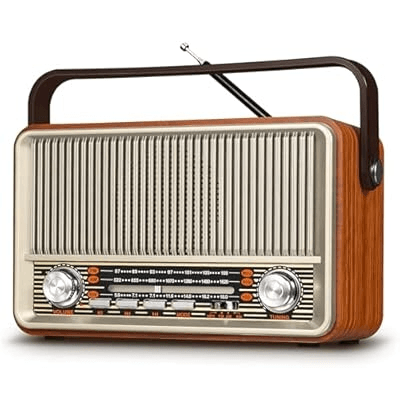
The Kenyan Diaspora's Guide to Radio: Time Zones, Data Tips, and Where to Tune In

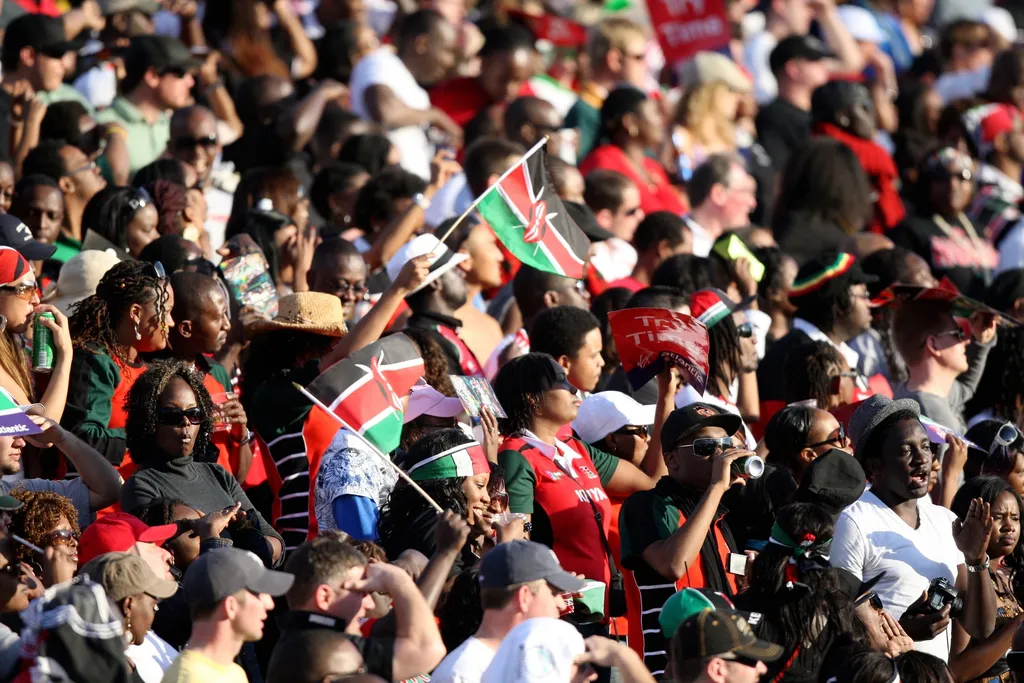
An estimated three to four million Kenyans live outside the country today, sending home remittances that reached $5.04 billion in 2025, according to the Central Bank of Kenya — a figure that has, for over a decade now, outpaced tea, coffee and tourism combined.
What often gets left out of that story is the traffic moving the other way: not money, but sound. Every morning, in Houston bedrooms and London kitchens and Dubai offices, a Kenyan radio station is playing on a phone speaker, and the distance stops mattering for a while.
This guide is the practical version of that habit — the time zones, the data costs, and the stations worth knowing, all streamable free on Radio.co.ke.
Where the Diaspora Actually Lives
The United States holds the largest single population of Kenyans abroad, estimated at roughly 159,000 to 165,000 based on 2024 US Census figures, with Texas and California leading the state count. The United Kingdom follows as the second-largest destination, with a community estimated at around 144,000.
Money follows people. The US alone accounts for the largest share of remittances into Kenya, with Germany, the UAE, Australia, Canada and the UK rounding out the other major source countries.
But the numbers under-tell the story, because radio does not require a visa. Wherever a Kenyan community has settled — the Gulf, Germany, South Africa, Australia — someone is streaming a station from home, and the guide below is built around that reality.
The One Thing to Get Right: East Africa Time
Every schedule on Kenyan radio runs on East Africa Time, EAT, which sits at UTC+3 all year round. Kenya does not observe daylight saving, which means the offset to your own clock shifts twice a year even though Nairobi's does not move at all.
Roughly, here is where that leaves the major diaspora hubs: New York and Toronto sit seven to eight hours behind EAT, depending on the season; London runs two to three hours behind; Berlin runs one to two hours behind; Johannesburg is an hour ahead; Dubai is an hour ahead; and Sydney runs seven to eight hours ahead.
That maths matters for one reason above all others: the breakfast show. Kenya's biggest radio audiences gather for the 6am-to-10am morning drive, and knowing your own hour against it decides whether you catch it live or replay it later.
For a listener in New York, that slot lands somewhere between 10pm and 3am the night before — a late-night or overnight listen rather than a morning one. In London, the same show falls across the tail end of the afternoon into early evening. In Dubai, it airs almost in real time, one hour behind Nairobi's own clock. In Sydney, the Kenyan breakfast show becomes an afternoon fixture, landing hours ahead of the Nairobi broadcast.
What Streaming Actually Costs in Data
The second worry, after time zones, is data — and it turns out to be a smaller concern than most people expect.
Streaming a radio station typically consumes somewhere between 30 and 100 megabytes per hour, depending on the station's bitrate and whether you are on Wi-Fi or mobile data. On a standard 1GB bundle, that stretches to somewhere between 10 and 30 hours of listening, which for most people covers a week or more of casual tuning in.
A few habits stretch that further. Streaming over Wi-Fi rather than mobile data avoids eating into a bundle at all. Keeping a single browser tab open, rather than restarting the stream, avoids the extra data spent on reconnecting. And listening during off-peak hours tends to buffer less, since congestion on both ends of the connection is lower.
Stations Worth Knowing
The station list below leans towards the names diaspora listeners return to most, and every one streams live and free on Radio.co.ke.
For news and current affairs, Radio Citizen remains the default, running Swahili-language news cycles and phone-in programmes that carry particular weight during election seasons and major national moments. For an English-language, adult-contemporary alternative, Classic 105 draws heavily on Nairobi's professional class and plays well for listeners who want music over talk.
Gospel programming deserves its own mention, since it is one of the strongest diaspora draws on Kenyan radio: dedicated gospel stations carry worship music, sermons and Bible studies that let members of a home congregation stay tied to their church community from thousands of kilometres away.
Vernacular and community stations round out the picture, giving Kikuyu, Luo, Kamba, Luhya, Kalenjin and coastal Swahili speakers programming in their mother tongue that no national broadcaster can match — and Radio 47, the fastest-growing name on the dial in recent years, has built an audiovisual, Swahili-first format that has pulled a young diaspora audience of its own.
How to Actually Tune In
None of it requires an app, a subscription or a VPN. Every station on Radio.co.ke plays directly in a browser, on a phone, laptop, tablet or smart TV, with the stream starting the moment you press play.
Browsing by region, by genre or by language is the fastest way to find a station you have not heard in years, or one from a hometown you have not lived in for decades.
Bookmark it, learn your own hour against Nairobi's clock, and the distance gets a little smaller every morning.
Ready to listen? Stream live Kenyan radio stations free — no app required.
Browse All Kenyan Radio Stations →